


 Los Angeles, Snacks popcorn is often regarded as a low-calorie snacks. But the researchers found that eating popcorn snacks with drinks in the cinema, especially in the United States has the equivalent calories 3 three-quarters the size of a hamburger.
From the results of research by the Center for Science and Public Interest (CSPI) found that medium-size popcorn and drink on average companion has 1160 calories.
This amount is high enough for the popcorn snack is not a staple food. While the caloric needs of adults on average 1800-2000 calories.
Imagine eating popcorn and drink, almost three-quarters of the caloric needs are met when the food was not filling. Even popcorn is also sharing the equivalent of taking a full day's saturated fat.
CSPI senior nutritionist Jayne Hurley said the little habits of the American public does in fact make them difficult to maintain weight.
"Who would notice when just watching a movie and eat popcorn filled calorie value very much," as reported by Jayne rich from the Telegraph, Friday (20/11/2009).
The study, published in the Nutrition Action Healthletter also found that Reese's snack that many movies sold in the U.S. has 1160 calories and 35 grams of saturated fat equivalent of eating 16 ounces of steak and baked potato butter.
Popcorn as a mandatory meal while watching a movie. High calories for sweet and salty taste that is used plus the use of coconut oil to cook it. Not to mention the addition of butter or margarine high contribution of calories and fat.
Tuesday, November 24, 2009
Snacking While Watching Movies Popcorn Hide Much Fat


Monday, November 23, 2009
Hepatitis - jaundice

Description
Hepatitis disease commonly known as jaundice. Actually hepatitis is liver inflammation (liver) caused by various factors. Factors that cause hepatitis or jaundice, among others, is a viral infection, metabolic disorders, alcohol consumption, autoimmune diseases, results complications from other diseases, side effects from the consumption of drugs and the presence of parasites in the liver,
Symptoms
One of the symptoms of hepatitis is the emergence of yellow color on the skin, nails and the whites of the eyeball.
Therapy
Usual medical therapy medical therapy is usually given to patients with hepatitis among other diseases, bed rest, healthy diet, and administration of drugs and antiviral.
Sunday, November 22, 2009
Alcoholic - "Misuse of Alcohol"

Description
For convenience of reference for people with alcohol abuse and dependence, so in this article will be referred to as alcoholic. This term may be less precise, but it is technically and medically may be more easily understood.
Misuse of alcohol is in the habit of drinking alcohol is dangerous, such as drunk every day or drank in large quantities at any time. Misuse of alcohol can damage the social relations of the patient. Why, people will lose their jobs and may conflict or deal with legal problems. If the abuse continues then continuously in effect alcohol addiction.
In addition to knowledge, the doctors in the U.S. only allows women to drink 3 sips a drink or 7 sips of the week with a standard (a bottle of beer, 1 glass of wine, or a mixture of alcohol 1). Whereas for men, 4 sips of a drink or 14 sips in a week.
Symptoms
The doctor will check the patient's health if found in clinical symptoms. They also know the mental patient, whether or not depression.
Treatment
Treatment for alcoholism depends on how bad a result for people with alcohol. But most of all in the treatment of alcoholics is the awareness to reduce or stop drinking alcohol altogether.
Thursday, November 19, 2009
Acne
 Description
Acne is caused by dead skin cells or because the production of excessive oil glands. There are 3 types of acne:
1. Blackheads
Caused blackheads pores clogged because the dead skin cells and the production of excessive oil glands. Other causes of sweating, hot and humid air.
2. Common acne
Small bulge, pink. Caused by clogged pores bacteria. Another cause for dirty air or stress.
3. Acne stone
Tonjonlannya hard and big. Cause kalenjar oil production in excess skin or sensitive skin.
Symptoms
As known acne appears on the face and shoulders, but can spread to the trunk, arms and legs.
Medical
X-ray therapy is not recommended to overcome acne. This therapy can damage the skin. If the acne blackheads appearing type compressed enough warm water. The goal soften blackheads making them easier to lift. If acne in or stones should take antibiotics at the direction of a dermatologist.
Tuesday, November 17, 2009
"Ovarian Channel" Cancer
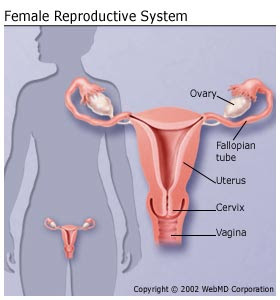
Description
Although this cancer include malignant tumors in the category, until now the cause of the Fallopian tubes cancer is unknown. These cancers most commonly strike women who have menopause, although in some cases are also young women who experience it also.
Symptoms
In stage I, cancer is confined to the oviduct only. However, if you've reached the stage II, can strike up to the pelvis. Even if it had reached stage II and IV, the cancer reaches the Fallopian tubes into the pelvis and spreads out to other parts of the body.
Medical
The only medical treatment for this disease is by appointment cancer. After a new elected to do radiation to kill the roots of cancer.
Wednesday, March 19, 2008
China Will Not Consider Changes To One-Child Policy For At Least 10 Years, Official Says

China's National Population and Family Planning Commission Minister Zhang Weiqing on Monday said the country would not change its one-child-per-family policy for at least 10 years, the Wall Street Journal reports (Chao, Wall Street Journal, 3/11). Speculation arose in recent weeks that officials were considering significantly changing the policy after Zhao Baige, a vice minister in the national family planning commission, was quoted as saying that China was studying how it could move away from the one-child policy. Zhang said that such changes would cause "serious problems," as well as strain economic and social growth in the country. "Given such a large population base, there would be major fluctuations in population growth if we abandoned the one-child rule now," Zhang said.
The policy limits most urban couples to one child and most rural couples to two children, the New York Times reports. According to the Times, critics of the policy say it has led to "numerous abuses," including forced abortions. The policy also is considered to have contributed to China's gender imbalance. China is currently the most populous country, with 1.3 billion people. The China Daily reported that the population is growing at 17 million people a year. Government officials have said that the one-child policy has prevented about 400 million births, although some independent scholars have placed the level at closer to 250 million (Yardley, New York Times, 3/11).
Zhang said the one-child limit is strictly enforced among only 35.9% of the population living in large cities. He added that the 52.9% of the population living in rural areas can have two children if their first child is a girl and that 11% of the population, mostly ethnic minorities, can have two or more children (York, Globe and Mail, 3/11). Zhang said that officials might consider a change in the policy "if there is need" after an anticipated "birth peak" over the next decade, when 200 million people in the country are expected to enter childbearing years.
According to the AP/Boston Herald, the total fertility rate in China is 1.8 children per couple, below the replacement level of 2.1 children per couple (AP/Boston Herald, 3/10).
Reprinted with kind permission from http://www.nationalpartnership.org. You can view the entire Daily Women's Health Policy Report, search the archives, or sign up for email delivery here. The Daily Women's Health Policy Report is a free service of the National Partnership for Women & Families, published by The Advisory Board Company.
What Is Life Like For Teens With Allergies?

A study into teenagers with food allergies will investigate what life is like for them in an attempt to improve their quality of life and curb the number of allergy-related deaths.
Scientists at the University of Portsmouth have created a quality of life questionnaire which asks teenagers what it is like for them to live with a food allergy. They are inviting young people with food allergies to come forward to take part in the study.
A previous UK study which examined all deaths from food-related allergies between 1992-2001 suggested that 35 per cent of deaths occurred in youngsters aged from 10-19.
Children aged 10-14 years accounted for 10 per cent of food allergy deaths and those aged 15-19 accounted for 25 per cent.
Heather Mackenzie, from the University's School of Health Sciences and Social Work said: "Although deaths from food allergy are rare, teenagers are overrepresented in these figures. This indicates that they find food allergies the most difficult to deal with."
In order to develop a draft questionnaire she has interviewed youngsters and discovered that their attitudes to food allergies vary and that the severity of the condition doesn't always dictate the way they feel about it and the way they manage it. She said:
"Some teenagers have relatively mild food hypersensitivity but it has a drastic affect on their quality of life, and vice versa. Teenagers are especially vulnerable because they are learning to take responsibility for their food allergy, which is challenging in itself, whilst also trying to be a normal teenager. Those with serious allergies carry around pre-loaded injection kits containing adrenaline and some see it as a nuisance but it's vital that they understand that it can save their lives and that thousands of others are in the same boat."
The aim of the new study is to provide doctors and other healthcare professionals with a tool to assess teenagers' quality of life by finding out how they feel about their allergy. It will help doctors give them advice on how to manage their allergy and sources of further help.
Mackenzie says she wants more volunteers to complete the questionnaire in order to ensure that it accurately reflects teenagers' concerns. She wants to hear from teenagers who would like to help people to understand more about what living with a food allergy is like for them.
The Anaphylaxis Campaign, a national charity for people with potentially life-threatening allergies (www.anaphylaxis.org.uk), will be helping the study by sending questionnaires to some of its teenage members.
David Reading, director of the Anaphylaxis Campaign, said: "Food allergy can occasionally be serious, but we are convinced that teenagers who are affected can learn how to protect themselves. We would hope that this study will lead to a greater understanding of the problem that allergic teenagers face and better medical advice for them."
Young people aged 13-18 who would like to take part can go to www.port.ac.uk/foodallergysurvey or contact Heather Mackenzie on 023 9284 4441 or heather.mackenzie@port.ac.uk. They will be asked to complete a short questionnaire about how having food allergies affects their life and will be entered into a prize draw to win an iPod.
For more information visit the following link.
Food allergies affect approximately 2.3% of teenagers and approximately 1.4-1.8% of the UK adult population as a whole
The most common allergies are to peanuts and other nuts and they frequently severe but other foods which can be triggers include egg, milk, fish, shellfish, soya, sesame and wheat.
Any allergic reaction, including the most extreme form, anaphylactic shock, occurs because the body's immune system reacts inappropriately in response to the presence of a substance that it wrongly perceives as a threat.
From 1992 - 2002 the UK the youngest person to die from a fatal reaction to peanut was 13 years old and the median age was 21 years.
6 children aged between 10-14 years died in the years between 1992-2001 in the UK and 15 teenagers aged 15-19 years died (25%).
Very Premature Children At Higher Risk For Increased Disability

Children born of very premature births can have levels of brain and motor impairment that increase as the term of gestation decreases in time. According to an article published in the March 8, 2008 issue of The Lancet, this means that preventing learning disabilities in these children is an important goal for future research.
A very preterm birth is defined as a gestation period less than 33 weeks, while a full term of gestation is generally considered to be 40 weeks. In Europe, between 1.1% and 1.6% of livebirths fit this very premature category. The number of children who survive very preterm birth has increased gradually because of advances in therapies and quality of care. However, this increasing survival rate has raised issues about increases in presentation of adverse developmental outcomes.
To learn more about this, Dr. Beatrice Larroque and Dr Pierre-Yves Ancel, of the INSERM Research Unit on Perinatal Health and Women's Health, Villejuif, France, and Universite Pierre et Marie-Curie-Paris, Paris, France, and colleagues did the EPIPAGE study, which examined 2,901 livebirths occurring between 24 and 32 complete weeks of gestation in nine regions of France. These children were compared to a reference 667 children from the same geographical regions born at 39-40 weeks of gestation. At five years of age, the children were examined medically and assessed for cognitive function using the Kaufman assessment battery for children (K-ABC), recording scores on the mental processing composite (MPC) scale. Medical healthcare history was also collected from the parents.
The children were categorized according to levels of disability. A severe disability was defined as one or more of the following: non-ambulatory cerebral palsy, MPC score less than 55, or severe visual or hearing deficiency. Moderate disability was defined as cerebral palsy allowing walking with aid or an MPC score of 55-69. Minor disability was classified as cerebral palsy involving walking without aid, MPC score of 70-84, or visual deficit.
Of the 2357 surviving children born very prematurely, 1817 (77%) had a medical assessment at the five year follow up point. Of the 664 in the reference group, 396 (60%) were also evaluated. In the very preterm group, 5% had severe disability, 9% moderate disability and 25% minor disability. In the reference group, 0.3%, 3%, and 8% of the children were in these categories respectively. Disability levels were highest in children born between 24 and 28 weeks of gestation. Additionally, special healthcare resources were used more by very preterm children: 42% of children born between 24 and 28 weeks, 31% between 29-32 weeks needed these services; only 16% of the children between 39 and 40 weeks did.
The authors conclude with suggestions for further directions of research: "These results raise questions about health and provision of rehabilitation services, and the cost of these services to families and society. Further work is needed to identify the best and most effective early developmental interventions to improve the functional prognosis of motor disabilities. As they grow older, children with cognitive deficits will have difficulties at school and will need help or special education. No conclusive results about the enhancement of cognitive outcome in the long term have yet been established, and studies investigating such interventions are needed.
Dr Mary Jane Platt, Division of Public Health, University of Liverpool, UK, contributed an accompanying Comment in which she reiterates the need for care after a very preterm birth: "The EPIPAGE study reminds us that children born before 33 weeks need care and support that lasts far beyond discharge from the neonatal care unit."
Monday, March 3, 2008
About Essential Fatty Acids and Fish Oil
What are essential fatty acids?

Essential fatty acids are unsaturated fats typically found in the oils of vegetables, certain nuts and seeds and some fish. They’re said to benefit health more than the saturated fats found in meat and dairy products and may even have a positive impact on cholesterol and triglyceride levels in the blood. Essential fatty acids are referred to as "essential" because they must be obtained through diet and are essential to the normal growth and function of muscles, nerves, cells and organs in humans. There are two families of essential fatty acids, omega-3 fatty acids and omega-6 fatty acids.
Omega-3 fatty acids – the fatty acids found in fish oil
Omega-3 fatty acids are a type of polyunsaturated fat present in many coldwater fish including trout, salmon, sardines, anchovies, herring, mackerel, tuna and cod. The two most potent forms of omega-3 fatty acids are eicosapentaenoic acid (EPA) and docosahexanoic acid (DHA), both known as "good fats" – unlike saturated fats, which when consumed in excess can lead to cardiovascular problems, neural and brain disorders.

EPA helps to produce the prostaglandins (hormone-like substances) which help control blood-clotting and arterial functions. EPAs may also help to lower serum triglyceride levels.
DHA is a major component of human brain and retinal tissue and aids the transmission of nerve impulses.
The term "omega-3 essential fatty acid" has become synonymous with "fish oil" in modern American marketing literature.
Sources of omega-3 essential fatty acids other than fish oil include, but are not limited to:
• Avocadoes (whole or oil)
• Brazil nuts
• Flaxseed
• Flaxseed oil
• Fortified milk products
• Hempseeds
• Hempseed oil
• Omega-3 eggs
• Pumpkin seeds
• Sesame seed
• Soybean oil
• Walnuts
• Wheat germ oil
Omega-6 fatty acids – not found in fish oil
Omega-6 EFAs are found in animal products such as dairy and meat and are common in cooking oils such as safflower, olive, sunflower, hemp, soybean, pumpkin, sesame, walnut and flaxseed oils. Too many omega-6 EFAs, say nutritionists, can throw off the balance of prostaglandins and lead to health problems. Experts recommend a ratio of three parts omega-3 essential fatty acids to every one part omega-6 fatty acid in the diet. Research indicates that Americans consume far more omega-6 fatty acids than omega-3 as a result of overindulging in fried foods, red meat and cheese.
Omega-6 fatty acids are dependent on interactions with omega-3 essential fatty acids in order to benefit good health, which is why a balance of the two is crucial in the diet. The American Heart Association cautions against a high dietary intake of omega-6 fatty acids as it can lead to the development of gallstones and promote tumors.
Prostaglandins
Prostaglandins encompass a number of hormone-like substances found in every cell in the body. They’re critical to the dilation and constriction of blood vessels, the contraction and relaxation of muscles, the regulation of blood pressure and the modulation of inflammation. Prostaglandins are needed for overall good health and maintenance and must be replenished constantly. It’s easy to understand why having a good balance of prostaglandins in the body is essential to well-being.
Where does fish oil come from?
Most fish oil is extracted from the fatty flesh of the fish, unless a product specifically states otherwise, as is the case with cod liver oil or shark liver oil – extracted from fish liver. Nutritious fish oil is usually derived from deep, coldwater fish and those swimming in the wild (wild fish eat other fish and marine animals and vegetation to survive, whereas farm-raised fish are typically fed some type of less nutritious, less expensive, commercial-grade pellet). Some experts say the best fish comes from the deep Atlantic of Norway and other Scandinavian countries: the deeper and colder the water, say experts, the less chance of toxins such as mercury, lead, dioxins, furans and PCBs occurring in the fish oil. Fish from eastern Pacific waters is known to contain elevated levels of mercury.
Fish oil supplements – good ones / bad ones
"Product disclosure" is the operable phrase when seeking out nutritious fish oil supplements. From what kind of fish is the oil extracted and from where is it extracted naturally through pressing or with a centrifuge; or are petrochemical solvents such as hexane used to extract the oil from the source? How is the fish oil refined? Is it molecularly distilled, which to date is the most reliable form of fish oil purification, or does the label read something like "extra-distilled" or "super-distilled?" Such terms have no bearing on quality or safety. Because the hundreds of thousands of fish oil supplements on the market remain unregulated by the FDA, the safety, consistency, efficacy and strength of these products varies immensely among brands.
When reading fish oil supplement labels:
• Make sure the type of fish from which the fish oil is extracted is listed.
• Look for terms "coldwater," "deep water" and "wild" as opposed to "farm-raised."
• In what ocean or hemisphere was the fish caught? North Atlantic, deep, coldwater is said to be the most nutritious.
• Make sure the fish oil is molecularly distilled, which better ensures the absence of PCBs, heavy metals and other contaminants.
• What parts of the fish were used? Fish oils extracted from fish liver may be higher in heavy metals and contaminants.
• What fish oil extraction method was used? Cold or modified expeller pressing means that the oil was produced without damaging temperatures or unnecessary pressure.
Marketing claims that have no defined meaning in relation to fish oil supplements, and which often mislead consumers, include:
• Ultra-pure
• Professional grade
• Pharmaceutical grade
• High-potency
• Super-distilled
• Natural
• Extra-distilled
• Best
• Finest
• Highest quality
• Pure
• Purest
• Purified
Essential fatty acid health benefits and risks
Few argue the benefits of fish oil and essential fatty acids in the diet. Clinical studies have demonstrated that the omega-3 fatty acids can benefit cardiovascular health and that "good unsaturated fats" derived from vegetables and fish are far more nutritious than "bad saturated fats" which come from red meat, animal products and dairy. The cardiovascular benefits to balancing omega-3 and omega-6 fatty acids in the diet include lowered serum cholesterol, decreased serum trigylcerides and reduced platelet aggregation. Although many fish oil supplement companies claim that fish oil supplementation may aid brain function and strengthen the immune system, a complete body of evidence has yet to be produced.
Along with the health benefits of fish oil come some risks, most associated with taking too high doses of fish oil or having dangerously high levels of omega-3 and omega-6 essential fatty acids in the blood. Some of these risks can include:
• Thinning of the blood and reduced ability of the blood to clot.
• Increased risk of bleeding.
• Too large doses can increase glucose levels in persons with already elevated blood sugar levels.
• In excess, fish oil may suppress the immune system.
• Increase the occurrence of nosebleeds and easy bruising.
• Upset stomach, nausea, diarrhea and belching.
• Poisoning from heavy metals, PCBs, dioxins and pesticides.
Experts and nutritionists are convinced that the health benefits of fish oil far outweigh the risks. However, many warn that fish oil shouldn’t be taken with blood-thinning medication such as warfarin or aspirin and shouldn’t be taken by anyone with bleeding disorders or uncontrolled hypertension. It is highly advisable to consult a physician before supplementing a diet with fish oil.
EPAs, DHAs, efficacy and the FDA
In September of 2004, the FDA announced they would allow a qualified health claim for reduced risk of coronary heart disease for conventional foods that contain EPA and DHA omega-3 fatty acids as outlined in FDA’s "Interim Procedures for Qualified Health Claims in the Labeling of Conventional Human Food and Human Dietary Supplements." Notwithstanding inconclusive research at the time of release, the FDA said it would exercise its enforcement discretion with respect to the following qualified health claim:
"Supportive but not conclusive research shows that consumption of EPA and DHA omega-3 fatty acids may reduce the risk of coronary heart disease. One serving of [name of food] provides [x] grams of EPA and DHA omega-3 fatty acids. [See nutrition information for total fat, saturated fat and cholesterol content.]"
In 2000, the FDA announced a similar qualified health claim for dietary supplements containing EPA and DHA omega-3 fatty acids and the reduced risk of coronary heart disease (CHD). The FDA recommends that consumers not exceed more than a total of three grams per day of EPA and DHA omega-3 fatty acids, with no more than two grams per day from a dietary supplement.
Monday, February 25, 2008
Traditional Chinese Medicine may reduce the side-effects of chemotherapy
Traditional Chinese Medicine (TCM) may help in reducing the side-effects for breast cancer patients undergoing chemotherapy, according to a recent study conducted by the Cochran Collaboration. The Cochran Library is an independent evidence based research group that provides evidence to inform healthcare decision-making.
Although chemotherapy is still considered the best treatment for breast cancer, the side effects can be very unpleasant. Side-effects include nausea and vomiting, decrease in bone marrow density, mouth soreness, lower resistance to infections, hair loss, and weakness and fatigue. More than half of the women that undergo chemotherapy suffer from one or more of these side-effects.
The purpose of the review was to evaluate the safety and effectiveness of using traditional Chinese Medicinal Herbs to reduce the side effects of chemotherapy. The study followed 542 women with breast cancer undergoing chemotherapy, and concluded while there was no statistical evidence to suggest that Chinese Medicinal Herbs could be harmful, the use of Medicinal Herbs may offer some benefit to those breast cancer patients undergoing chemotherapy in terms of bone marrow improvement and quality of life. There are approximately 50 fundamental herbs used in Chinese medicine and combinations of these herbs make up herbal remedies. For this study, six common herbal remedies were tested.
Despite widespread use of alternative medicine, such as Traditional Chinese Medicine, historically, there have been very few clinical trials to measure the health outcomes from their use. The Cochran study is a welcomed step forward in this direction. The authors admit that more well designed trials are required and that the evidence in this study it too limited to provide confident conclusions.
Consumers: Beware of Counterfeit Colgate Toothpaste

In the initial recall announcement, the importer, MS USA Trading, Inc. of North Bergen, N.J., said the toothpaste may contain diethylene glycol, a chemical found in antifreeze. The trading company said the problem was discovered in routine testing by the Food and Drug Administration.
Colgate-Palmolive assures customers that “counterfeit toothpaste is not manufactured or distributed by Colgate and has no connection with the company whatsoever”. They also add that diethylene glycol is not now and has never been an ingredient in Colgate toothpaste anywhere in the world.
According to a Colgate-Palmolive news release, the counterfeit products were found in several ‘dollar-type discount stores’ in Maryland, New Jersey, New York, and Pennsylvania. Updated information also includes small discount retailers in Canada.
Colgate-Palmolive, in cooperation with government health and law enforcement authorities, continues to remove counterfeit toothpaste from the shelves of retail stores. Here are some indicators to look for to identify the counterfeit product:
• The counterfeit toothpaste is labeled as a five ounce or 100 ml tube, a size not made or sold by Colgate in the United States.
• Includes regular, gel, triple and herbal versions.
• There are words on the package, “Manufactured by: COLGATE-PALMOLIVE (PTV) LTD., SOUTH AFRICA-52 Commissioner Street, Boksburg, 1460”
• There may be several misspelled words on the product carton including: “isclinically”, “SOUTH AFRLCA” and “South African Dental Assoxiation”.
Colgate products are sold in a wide variety of retail outlets including supermarkets, pharmacies, general merchandise stores, large dollar stores and club stores. To help you identify genuine Colgate toothpaste made for sale in the United States, look for:
• The words “Distr. by Colgate-Palmolive, New York, NY 10022” appear in the lower right-hand corner of the panel on the box.
• In the white box that contains the UPC bar code genuine Colgate products for sale in the U.S. begin with the code number 35000.
Colgate says it is working closely with the FDA to help identify those responsible for the counterfeit product.
If you suspect that you have counterfeit product, do not use it. Visit the FDA’s web site (www.fda.gov) for more information or call Colgate’s customer service line (1-800-468-6502)
Thursday, February 21, 2008
Blood test detects ovarian cancer early
Researchers have developed what they believe is the first blood test that accurately detects ovarian cancer at an early stage.“The ability to recognize almost 100% of new tumours will have a major impact on the high death rates of this cancer,” senior author Dr. Gil Mor, from Yale University School of Medicine in New Haven, Connecticut, said in a statement. “We hope this test will become the standard of care for women having routine examinations.”
In 2005, Mor’s team first described a panel of biomarkers that can detect stage I and II ovarian cancer.
In the present trial, reported in the medical journal Clinical Cancer Research, the researchers expanded the panel from four proteins to six, and used a sophisticated assay system to measure protein levels in 362 healthy women and 156 patients newly diagnosed with ovarian cancer.
Alone, none of the biomarkers could distinguish the cancer patients from the healthy comparison group, the researchers report. When all six biomarkers were measured, however, the test identified 95 percent of the cancer patients.
A larger evaluation of the biomarker assay is currently underway.
Saturday, December 1, 2007
Ephedra To Pump Your Adrenaline Up !
Ephedra refers to the plant Ephedra sinica. E. sinica, known in Chinese as ma huang (麻黃; pinyin: má huáng), has been used in traditional Chinese medicine for 5,000 years for the treatment of asthma and hay fever, as well as for the common cold. Several additional species belonging to the genus Ephedra have traditionally been used for a variety of medicinal purposes, and are a possible candidate for the Soma plant of Indo-Iranian religion. Native Americans and Mormon pioneers drank a tea brewed from an Ephedra, called Mormon Tea.
In recent years, the safety of ephedra-containing dietary supplements has been questioned by the United States Food and Drug Administration (FDA), the National Center for Complementary and Alternative Medicine, and the medical community as a result of a high rate of serious side effects and ephedra-related deaths. In response to accumulating evidence of adverse effects and deaths related to ephedra, the FDA banned the sale of ephedra-containing supplements on April 12, 2004. A suit by an ephedra manufacturer was upheld by a Federal District Court judge in Utah on April 14, 2005. The FDA appealed this ruling, and on August 17, 2006 the U.S. Court of Appeals for the Tenth Circuit upheld the FDA's ban of ephedra.As of June 2007, the sale of ephedra-containing dietary supplements remains illegal in the United States due to their health risks.
Effects and uses
Ephedra is both a stimulant and a thermogenic; its biological effects are due to its ephedrine and pseudoephedrine content. These compounds stimulate the brain, increase heart rate, constrict blood vessels (increasing blood pressure), and expand bronchial tubes (making breathing easier). Their thermogenic properties cause an increase in metabolism, evidenced by an increase in body heat.
In traditional Chinese herbology, E. sinica is included in many herbal formulas that treat cold and flu such as 麻黃湯 ma huang tang (ephedra decoction) or 麻杏石甘湯 ma xing shi gan tang (ephedra, apricot kernel, gypsum, and licorice decoction). Ephedra is used therapeutically as a diaphoretic to help expel exterior pathogens and regulate the proper functioning of the lungs.
Ephedra is widely used by athletes, despite a lack of evidence that it enhances athletic performance. Ephedra may also be used as a precursor in the illicit manufacture of methamphetamine.
Ephedra has also been used for weight loss, sometimes in combination with aspirin and caffeine. Some studies have shown that ephedra, when taken in a regulated and supervised environment, is effective for marginal short-term weight loss (0.9kg/month more than the placebo), although it is unclear whether such weight loss is maintained. However, several reports have documented the large number of adverse events attributable to unregulated ephedra supplements.
Side effects of ephedra may include severe skin reactions, irritability, nervousness, dizziness, trembling, headache, insomnia, profuse perspiration, dehydration, itchy scalp and skin, vomiting, hyperthermia, irregular heartbeat, seizures, heart attack, stroke, or death.
Use in sports

Ephedrine is listed as a banned substance by both the International Olympic Committee and the World Anti-Doping Agency. The U.S. National Football League banned players from using ephedra as a dietary supplement in 2001 after the death of Minnesota Vikings offensive tackle Korey Stringer; ephedra was found in Stringer's locker and was believed by some to have contributed to his death.The substance is also banned by the National Basketball Association. Nonetheless, ephedra remains widely used by athletes; a 2006 survey of collegiate hockey players found that nearly half had used ephedra in the belief it would enhance athletic performance.
Purity and dosage
There are no formal requirements for standardization or quality control of dietary supplements in the United States, and the dosage of effective ingredients in supplements may vary widely from brand to brand or batch to batch. Studies of ephedra supplements have found significant discrepancies between the labeled dose and the actual amount of ephedra in the product. Significant variation in ephedrine alkaloid levels, by as much as 10-fold, was seen even from lot to lot within the same brand.
Safety and regulatory actions in the United States
Escalating concerns regarding the safety of ephedra supplements led the FDA to ban the sale of ephedra-containing supplements in the United States in 2004. This ban was challenged by supplement manufacturers and initially overturned, but ultimately upheld.
info : wikipedia
Monday, November 26, 2007
Citrus medica = lime
CITRON or LIME
useful in heart disorders
The Citron is a fragrant fruit with the botanical name Citrus medica L. which apply to both, the Swingle and Tanaka systems. It is a prominent member in the genus Citrus belonging to the Rutaceae or Rue family, sub-family Aurantoideae. Its different names Citrus Media, Median Apple etc. were influenced by the Theophrastus who considered it being native to Media, Persia or Assyria. However, those names are now rarely in use.
Citron is useful in heart disorders, abdominal colic, Gulm, vomiting, nausea, indigestion, heamorrhoids
The citron is not the ordinary citrus fruit like the Lemon or Orange. While the most popular citrus species are peeled off in order to consume the inner pulpy and juicy segments – the citron contains extreme dry pulp which has little value compared to the orange. Moreover, its main content is the thick white rind which is extremely adherent to the segments, and cannot peel off at all.
Thus, the Citron was from ancient through medieval times mainly used only for the fragrance of its outer peel or for derived medicine against seasickness, pulmonary troubles, intestinal ailments and other disorders. Citron juice with wine was considered an effective antidote to poison. The essential oil of the peel was regarded as an antibiotic.
The most important part of the citron is the peel which is a fairly important article in international trade. The fruits are halved, depulped, immersed in seawater or ordinary salt water to ferment for about 40 days, the brine being changed every 2 weeks; rinsed, put in denser brine in wooden barrels for storage and for export. After partial de-salting and boiling to soften the peel, it is candied in a strong sugar solution. The candied peel is sun-dried or put up in jars for future use. Candying is done mainly in England, France and the United States. The candied peel is widely employed in the food industry, especially as an ingredient in fruit cake, plum pudding, buns, sweet rolls and candy.
Today there is an uprising market for the citron is the United States for the soluble fiber which is found in its thick rind, also called albedo. The citron is also used by Jews for a religious ritual during the Feast of Tabernacles, by whom it is called Etrog.
The citron has many similar names in diverse languages, e.g. cederat, cedro, etc. Most confusing is the French language, in which the false friend "citron" refers to a lemon in English (similarly, "limon" is the French word for lime).
The citron has been cultivated since ancient times, predating cultivation of other citrus species. Despite its minor importance today being hardly consumed as is, it seems that in different times it played a big role in life. We could see that from the way how it was described by numerous writings and poets across centuries. It is suggested that when the other citrus species arrived, they pushed the citron off the road, since most of its benefits could nearly by found in the lemon, which is much easier to cultivate.
The following is from the writings of Theophrastus
"In the east and south there are special plants... i.e. in Media and Persia there are many types of fruit, between them there is a fruit called Median or Persian Apple. The tree has a leaf similar to and almost identical with that of the andrachn (Arbutus andrachne L.), but has thorns like those of the apios (the wild pear, Pyrus amygdaliformis Vill.) or the oxyacanthos (the fire thorn, Cotoneaster pyracantha Spach.), except that they are white, smooth, sharp and strong.
"The fruit is not eaten, but is very fragrant, as is also the leaf of the tree; and the fruit is put among clothes, it keeps them from being moth-eaten. It is also useful when one has drunk deadly poison, for when it is administered in wine; it upsets the stomach and brings up the poison. It is also useful to improve the breath, for if one boils the inner part of the fruit in a dish or squeezes it into the mouth in some other medium, it makes the breath more pleasant.
"The seed is removed from the fruit and sown in the spring in carefully tilled beds, and it is watered every fourth or fifth day. As soon the plant is strong it is transplanted, also in the spring, to a soft, well watered site, where the soil is not very fine, for it prefers such places.
"And it bears its fruit at all seasons, for when some have gathered, the flower of the others is on the tree and is ripening others. Of the flowers I have said those which have a sort of distaff [meaning the pistil] projecting from the middle are fertile, while those which do not have this are sterile. It is also sown, like date palms, in pots punctured with holes.
"This tree, as has been remarked, grows in Media and Persia."
Later with about 400 years it was also described by Pliny the Elder, who was calling it nata Assyria malus.
"The Assyrian fruit, which some call Median, is an antidote for poisons. Its leaf is like that of the andrachn (Arbutus andrachne L.), but with thorns running between. The fruit is notable for the fact that it is not eaten and has a strong odor, as also do the leaves, which impregnates clothes stored with them and keeps away harmful insects.
"The tree itself bears fruit continuously; some dropping off, others ripening, and still others budding.
"People have tried to introduce the tree into their land in clay vessels because of its medicinal efficacy, providing breathing for the roots by making holes in the vessels; …but except among Media and in Persia, it has refused to grow.
"This is the fruit whose pips we have related Parthian nobles boiled in foods in order to eliminate bad breath. No other tree is so highly praised in Media."
info : wikipedia
Acorus calamus - Sweet Flag

The morphological distinction between the Acorus species is made by the number of prominent leaf veins. Acorus calamus has a single prominent midvein and then on both sides slightly raised secondary veins (with a diameter less than half the midvein) and many, fine tertiary veins. This makes it clearly distinct from Acorus americanus.
The leaves are between 0.7 and 1.7 cm wide, with average of 1 cm. The sympodial leaf of Acorus calamus is somewhat shorter than the vegetative leaves. The margin is curly-edged or undulate. The spadix, at the time of expansion, can reach a length between 4.9 and 8.9 cm (longer than A. americanus). The flowers are longer too, between 3 and 4 mm. Acorus calamus is infertile and shows an abortive ovary with a shriveled appearance.
Calamus has been an item of trade in many cultures for thousands of years. Calamus has been used medicinally for a wide variety of ailments.
In antiquity in the Orient and Egypt, the rhizome was thought to be a powerful aphrodisiac. In Europe Acorus calamus was often added to wine, and the root is also one of the possible ingredients of absinthe. Among the northern Native Americans, it is used both medicinally and as a stimulant; in addition, the root is thought to have been used as an entheogen among the northern Native Americans. In high doses, it is hallucinogenic.
Characteristic: Bitter tonic, ague, habitual constipation, atonic dyspepsia, flatulence, paralytic nervous affections, colic, epilepsy, dropsy, glandular diseases, rheumatoc swellings, useful for children's ailments teething etc.
The calamus has long been a symbol of male love. The name is associated with a Greek myth: Kalamos, a son of the river-god Maeander, who loved Karpos, the son of Zephyrus and Chloris. When Karpos drowned, Kalamos was transformed into a reed, whose rustling in the wind was interpreted as a sigh of lamentation.
The plant was a favorite of Henry David Thoreau (who called it sweet flag), and also of Walt Whitman, who added a section called The Calamus Poems, celebrating the love of men, to the third edition of Leaves of Grass (1860). In the poems the calamus is used as a symbol of love, lust, and affection. It has been suggested that the symbology derives from the visual resemblance of the spadix to the erect human penis.
The name Sweet Flag refers to its sweet scent (it has been used as a strewing herb) and the wavy edges of the leaves which are supposed to resemble a fluttering flag.
In Japan, the plant is a symbol of the samurai's bravery because of its sharp sword-like leaves. Even now many families with young boys enjoy "Sweet Flag Bath (shōbu yu)" in the Boy's Festival (Tango no Sekku) on May 5.
info : wikipedia
Aloe Vera

Superregnum: Eukaryota
Regnum: Plantae
Divisio: Magnoliophyta
Classis: Liliopsida
Subclassis: Liliidae
Ordo: Asparagales
Familia: Asphodelaceae
Genus: Aloe Species: Aloe vera
Useful in ophthalmic disorders, mild laxative, tonic, increases semen quality, cure vata dosha, poisonous effects, hepatospleenomegaly, spleen and liver disorders, cystic formation, hydrocele, kaphha fever, glands, anomalies of blood, anomalies of skin.
Thursday, November 15, 2007
Ginger for medical medicine

Ginger is the common name for the monocotyledonous perennial plant Zingiber officinale. The term is also used to describe the edible part of the plant which is commonly used as a spice in cooking throughout the world. Often erroneously referred to as "ginger root", the edible section is actually the horizontal subterranean stem or rhizome of the plant. The ginger plant has a long history of cultivation known to originate in China and then spread to India, Southeast Asia, West Africa, and the Caribbean.
Ginger contains up to 3% of an essential oil that causes the fragrance of the spice. The main constituents are sesquiterpenoids with (-)-zingiberene as the main component. Lesser amounts of other sesquiterpenoids (β-sesquiphellandrene, bisabolene and farnesene) and a small monoterpenoid fraction (β-phelladrene, cineol, and citral) have also been identified.
The pungent taste of ginger is due to nonvolatile phenylpropanoid-derived compounds, particularly gingerols and shogaols. The latter are formed from the former when ginger is dried or cooked. Zingerone is also produced from gingerols during this process, and it is less pungent and has a spicy-sweet aroma.
Ginger has a sialagogue action, stimulating the production of saliva.
 Ginger Tea
Medical uses
The medical form of ginger historically was called "Jamaica ginger"; it was classified as a stimulant and carminative, and used frequently for dyspepsia and colic. It was also frequently employed to disguise the taste of medicines. Ginger is on the FDA's 'generally recognized as safe' list, though it does interact with some medications, including warfarin. Ginger is contraindicated in people suffering from gallstones as the herb promotes the release of bile from the gallbladder. Ginger may also decrease joint pain from arthritis, though studies on this have been inconsistent, and may have blood thinning and cholesterol lowering properties that may make it useful for treating heart disease.
The characteristic odor and flavor of ginger root is caused by a mixture of zingerone, shoagoles and gingerols, volatile oils that compose about one to three percent of the weight of fresh ginger. In laboratory animals, the gingerols increase the motility of the gastrointestinal tract and have analgesic, sedative, antipyretic and antibacterial properties.
Ginger has been found effective by multiple studies for treating nausea caused by seasickness, morning sickness and chemotherapy, though ginger was not found superior over a placebo for post-operative nausea. However, consuming too much ginger can create a feeling of nausea in an individual.
There are a variety of uses suggested for ginger. A tea brewed from the is a folk remedy for colds. Ginger ale and ginger beer have been recommended as "stomach settlers" for generations in countries where the beverages are made and ginger water was commonly used to avoid heat cramps in the US. Ginger has also been historically used to treat inflammation, which some scientific studies support while others show ginger to be no better than a placebo or ibuprofen. Research on rats suggests that ginger may be useful for treating diabetes.
Saturday, November 10, 2007
folk medicine
FOLK MEDICINE

Folk medicine refers generally to healing practices traditionally used for alleviating illness and injury, or to aid in childbirth. It is a category of informal knowledge distinct from "scientific medicine", as well as more formal and systematic, but unscientific, medical practices such as Ayurveda. However, it may coexist with these in the same culture or society. Folk medicine as a system includes: home remedies; folk aetiologies of disease; preventative medicine; reproductive techniques; medicinal properties of plants; anatomical knowledge, and healers. Folk medicine may also include elements from the history of medicine. For example the hot-cold concept of health and illness is absent in Spanish folk medicine and did not exist at the folk level in the past (Tan, 1989). However these beliefs are now widespread in Latin America and the Caribbean, and according to Foster (1953) were derived from the élite and scholarly Hippocratic-galenic traditions that were brought to the Spanish colonies by Spanish physicians and clergy. Spanish medical practice at the time of Cristopher Columbus was based on classical Greek and Roman medicine with diffusions from Arab medicine. Other Hippocratic principles are the oppositions of raw / cooked, hot /cold, wet / dry, sweet / sour. In addition, wellbeing is determined by a balance between different elements, bile, phlegm, and blood (Strobel, 1985).
Classical History
Early recognised compilers of existing and current herbal knowledge were the Greeks Hippocrates, Aristotle, Theophrastus (b. 370 BC), Dioscorides and Galen. Roman writers were Pliny and Celsus (Kay, 1996). Dioscorides (Pedianos Dioskurides) included the writings of the herbalist Krateuas, physician to Mithridates VI King of Pontus from 120 to 63 BC in his De Materia Medica (Codex Vindobonensis) (Blunt and Raphael, 1994). De Materia Medica was translated into several languages and Turkish, Arabic and Hebrew names were added to it throughout the centuries (Blunt and Raphael, 1994). Latin manuscripts of De Materia Medica were combined with a Latin herbal by Apuleius Platonicus and were incorporated into the Anglo-Saxon codex Cotton Vitellius C.III. These early Greek and Roman compilations became the backbone of European medical theory and were translated by the Arabs Avicenna (Ibn Sīnā, 980 - 1037), the Persian Rhazes (Rāzi, 865 - 925) and the Jewish Maimonides (Kay, 1996). Translations of Greek medical handbooks and manuscripts into Arabic took place in the eighth and ninth centuries. Arabic folk medicine developed from the conflict between the magic-based medicine of the Bedouins, the Arabic translations of the Hellenic medicine and Ayurvedic medicine (Slikkerveer, 1990). Spanish folk medicine was influenced by the Arabs from 711 to 1492 (Hernández-Bermejo and García Sánchez, 1998). Translations of the early Roman-Greek compilations were made into German by Hieronymus Bock whose herbal published in 1546 was called Kreuter Buch. A Dutch translation Pemptades by Rembert Dodoens (1517-1585) was translated by Charles de L'Écluse (Carolus Clusius, 1526-1609), and was published in English by Henry Lyte in 1578 as A Nievve Herball. This became John Gerard's (1545 - 1612) Herball or General Hiftorie of Plantes (Blunt and Raphael, 1994; Kay, 1996). Each new work was a compilation of existing texts with new additions.
Women's folk knowledge existed in undocumented parallel with these texts (Kay, 1996). Forty-four drugs, diluents, flavouring agents and emollients mentioned by Discorides are still listed in the official pharmacopoeias of Europe (Blunt and Raphael, 1994). The Puritans took Gerard's work to the America where it influenced American folk medicine (Kay, 1996). Francisco Hernandez, physician to King Phillip II of Spain spent the years 1571 - 1577 gathering information in Mexico and then wrote Rerum Medicarum Novae Hispaniae Thesaurus, many versions of which have been published including one by Francisco Ximenez. Both Hernandez and Ximenez fitted Aztec ethnomedicinal information into the European concepts of disease such as "warm", "cold", and "moist", but it is not clear that the Aztecs used these categories (Ortiz de Montellano, 1975). Juan de Esteyneffer's (Johann Steinhöfer) Florilegio medicinal de todas las enfermedas compiled European texts and added 35 Mexican plants. This Florilegio is still used by Mexican healers. Martin de la Cruz wrote an herbal in Nahauatl which was translated into Latin by Juan Badiano as Libellus de medicinalibus indorum herbis or Codex Barberini, Latin 241 and given to King Carlos V of Spain in 1552 (Heinrich et al., 2005). It was apparently written in haste and influenced by the European occupation of the previous 30 years. Fray Bernadino de Sahagún’s used ethnographic methods to compile his codices that then became the Historia General de las Cosas de Nueva Espana, published in 1793 (Heinrich et al., 2005). Castore Durante published his Herbario Nuovo in 1585 describing medicinal plants from Europe and the East and West Indies. It was translated into German in 1609 and Italian editions were published for the next century.
Maria Mies linked the burning of female herbalists as witches in Europe to the rise of capitalism and the development of male-dominated medicine and law in the Middle Ages. This argument has been followed more recently by Silvia Federici who writes that the witch burning was designed to crush the economic independence of women. "The persecution and burning of the midwives as witches was directly connected with the emergence of modern society: the professionalization of medicine, the rise of medicine as a ‘natural science’, the rise of science and of modern economy. The torture chambers of the witch-hunters were the laboratories where the texture, the anatomy, the resistance of the human body — mainly the female body — was studied. One may say that modern medicine and the male hegemony over this vital field were established on the base of millions of crushed, maimed, torn, disfigured and finally burnt, female bodies.
There was a calculated division of labour between Church and State in organizing the massacres and terror against the witches. Whereas the church representatives identified witches, gave theological justification and led the interrogations, the ’secular arm’ of the state was used to carry out the tortures and finally execute the witches on the pyre. Mies, 1986".
Folk medicine is sometimes associated with quackery when practiced as theatrics or otherwise practiced fraudulently, and sometimes with witchcraft and often with shamanism, yet it may also preserve important knowledge and cultural tradition from the past. Practicing scientists sometimes go out of their way to suppress alternative medicine (see Angell and Kassirer, 1998 and BMJ 2007 September 29; 335(7621)). In a fertility survey (Anderson and Cleland, 1984) women who said they used herbs as contraceptives (93.5 % of women in Bangladesh) were placed in the category 'not using'. However unbiased scientific analysis requires that all knowledge claims be subjected to a minimalist standard of rationality that requires that belief be apportioned to evidence and that no assertion about folk medicine or 'theory' be immune from or rejected without critical assessment (see Hawkesworth, 1989). The International Council for Science (ICSU) was asked to carry out a study on the concept of 'traditional knowledge' (Dickson, 1999) in the context of the signing of the Declaration on Science and the Framework for Action at the 1999 World Conference on Science in Budapest, and the 26th General Assembly of the ICSU in Cairo, Egypt (Nakashima and Guchteneire, 1999). Prior to the signing debate took place on whether indigenous knowledge (IK) was scientific or not and scientists expressed surprise at seeing the issue on the agenda. Scientists suggested that including indigenous and traditional knowledge on the agenda might lend ill-deserved credibility to IK or open the door to anti- and pseudoscientific approaches like creationism and astrology. Nakashima and Guchteneire (1999) wondered whether the discomfort of the scientists might be related to their unwillingness to view science as one knowledge system among many. The debate led to a discussion on the nature of scientific knowledge itself; for example what makes the theory of natural evolution 'scientific' and thus distinguishable from astrology when neither can be replicated or reproduced? (Anon, 1999).
Insulin
Insulin Vs Diabetes
Insulin is an animal hormone whose presence informs the body's cells that the animal is well fed, causing liver and muscle cells to take in glucose and store it in the form of glycogen, and causing fat cells to take in blood lipids and turn them into triglycerides. In addition it has several other anabolic effects throughout the body.
Insulin is used medically to treat some forms of diabetes mellitus. Patients with type 1 diabetes mellitus depend on external insulin (most commonly injected subcutaneously) for their survival because of the absence of the hormone. Patients with type 2 diabetes mellitus have insulin resistance, relatively low insulin production, or both; some type 2 diabetics eventually require insulin when other medications become insufficient in controlling blood glucose levels.
Insulin is a peptide hormone composed of 51 amino acid residues and has a molecular weight of 5808 Da. It is produced in the Islets of Langerhans in the pancreas. The name comes from the Latin insula for "island".
Insulin's genetic structure varies marginally between species of animal. Insulin from animal sources differs somewhat in regulatory function strength (i.e., in carbohydrate metabolism) in humans because of those variations. Porcine (pig) insulin is especially close to the human version.
In 1869 Paul Langerhans, a medical student in Berlin, was studying the structure of the pancreas (the jelly-like gland behind the stomach) under a microscope when he identified some previously un-noticed tissue clumps scattered throughout the bulk of the pancreas. The function of the "little heaps of cells," later known as the Islets of Langerhans, was unknown, but Edouard Laguesse later suggested that they might produce secretions that play a regulatory role in digestion. Paul Langerhans' son, Archibald, also helped to understand this regulatory role.
In 1889, the Polish-German physician Oscar Minkowski in collaboration with Joseph von Mering removed the pancreas from a healthy dog to test its assumed role in digestion. Several days after the dog's pancreas was removed, Minkowski's animal keeper noticed a swarm of flies feeding on the dog's urine. On testing the urine they found that there was sugar in the dog's urine, establishing for the first time a relationship between the pancreas and diabetes. In 1901, another major step was taken by Eugene Opie, when he clearly established the link between the Islets of Langerhans and diabetes: Diabetes mellitus … is caused by destruction of the islets of Langerhans and occurs only when these bodies are in part or wholly destroyed. Before his work, the link between the pancreas and diabetes was clear, but not the specific role of the islets.

Over the next two decades, several attempts were made to isolate whatever it was the islets produced as a potential treatment. In 1906 George Ludwig Zuelzer was partially successful treating dogs with pancreatic extract but was unable to continue his work. Between 1911 and 1912, E.L. Scott at the University of Chicago used aqueous pancreatic extracts and noted a slight diminution of glycosuria but was unable to convince his director of his work's value; it was shut down. Israel Kleiner demonstrated similar effects at Rockefeller University in 1919, but his work was interrupted by World War I and he did not return to it. Nicolae Paulescu, a professor of physiology at the University of Medicine and Pharmacy in Bucharest, published similar work in 1921 that had been carried out in France. Use of his techniques was patented in Romania, though no clinical use resulted.
In October 1920, Frederick Banting was reading one of Minkowski's papers and concluded that it is the very digestive secretions that Minkowski had originally studied that were breaking down the islet secretion(s), thereby making it impossible to extract successfully. He jotted a note to himself Ligate pancreatic ducts of the dog. Keep dogs alive till acini degenerate leaving islets. Try to isolate internal secretion of these and relieve glycosurea.
The idea was that the pancreas's internal secretion, which supposedly regulates sugar in the bloodstream, might hold the key to the treatment of diabetes.
He travelled to Toronto to meet with J.J.R. Macleod, who was not entirely impressed with his idea – so many before him had tried and failed. Nevertheless, he supplied Banting with a lab at the University, an assistant (medical student Charles Best), and 10 dogs, then left on vacation during the summer of 1921. Their method was tying a ligature (string) around the pancreatic duct, and, when examined several weeks later, the pancreatic digestive cells had died and been absorbed by the immune system, leaving thousands of islets. They then isolated an extract from these islets, producing what they called isletin (what we now know as insulin), and tested this extract on the dogs. Banting and Best were then able to keep a pancreatectomized dog alive all summer because the extract lowered the level of sugar in the blood.

Macleod saw the value of the research on his return but demanded a re-run to prove the method actually worked. Several weeks later it was clear the second run was also a success, and he helped publish their results privately in Toronto that November. However, they needed six weeks to extract the isletin, which forced considerable delays. Banting suggested that they try to use fetal calf pancreas, which had not yet developed digestive glands; he was relieved to find that this method worked well. With the supply problem solved, the next major effort was to purify the extract. In December 1921, Macleod invited the biochemist James Collip to help with this task, and, within a month, the team felt ready for a clinical test.
On January 11, 1922, Leonard Thompson, a 14-year-old diabetic who lay dying at the Toronto General Hospital, was given the first injection of insulin. However, the extract was so impure that Thompson suffered a severe allergic reaction, and further injections were canceled. Over the next 12 days, Collip worked day and night to improve the ox-pancreas extract, and a second dose injected on the 23rd. This was completely successful, not only in not having obvious side-effects, but in completely eliminating the glycosuria sign of diabetes.
Children dying from diabetic keto-acidosis were kept in large wards, often with 50 or more patients in a ward, mostly comatose. Grieving family members were often in attendance, awaiting the (until then, inevitable) death. In one of medicine's more dramatic moments Banting, Best and Collip went from bed to bed, injecting an entire ward with the new purified extract. Before they had reached the last dying child, the first few were awakening from their coma, to the joyous exclamations of their families.
However, Banting and Best never worked well with Collip, regarding him as something of an interloper, and Collip left the project soon after.
Over the spring of 1922, Best managed to improve his techniques to the point where large quantities of insulin could be extracted on demand, but the preparation remained impure. The drug firm Eli Lilly and Company had offered assistance not long after the first publications in 1921, and they took Lilly up on the offer in April. In November, Lilly made a major breakthrough, and were able to produce large quantities of purer insulin. Insulin was offered for sale shortly thereafter.
Oral insulin
The basic appeal of oral hypoglycemic agents is that most people would prefer a pill to an injection. However, insulin is a protein. Proteins, eg meat proteins, are digested in the stomach and gut and insulin, being a protein, is no exception.
The potential market for an oral form of insulin is assumed to be enormous, thus many laboratories have attempted to devise ways of moving enough intact insulin from the gut to the portal vein to have a measurable effect on blood sugar. One can find several research reports over the years describing promising approaches or limited success in animals, and limited human testing, but as of 2004, no products appear to be successful enough to bring to market.[9]
Pancreatic transplantation
Another improvement would be a transplantation of the pancreas or beta cell to avoid periodic insulin administration. This would result in a self-regulating insulin source. Transplantation of an entire pancreas (as an individual organ) is difficult and relatively uncommon. It is often performed in conjunction with liver or kidney transplant, although it can be done by itself. It is also possible to do a transplantation of only the pancreatic beta cells. It has been highly experimental (for which read 'prone to failure') for many years, but some researchers in Alberta, Canada, have developed techniques with a high initial success rate (about 90% in one group). Nearly half of those who got an islet cell transplant are insulin-free one year after the operation; by the end of the second year that number drops to about one in seven. Beta cell transplant may become practical in the near future. Additionally, some researchers have explored the possibility of transplanting genetically engineered non-beta cells to secrete insulin. Clinically testable results are far from realization at this time. Several other non-transplant methods of automatic insulin delivery are being developed in research labs, but none is close to clinical approval.
info : wikipedia
